Archive for August, 2008

High Population Planting Techniques & Challenges

Friday, August 22nd, 2008

Every grower knows that higher seeding rates can give greater yields—-if there is not too much stress between the plants where higher plant populations exist. 

 Research shows that Bio-Forge  will relieve the inter-plant stresses during stress conditions.  It is under such conditions, that Bio-Forge will give the highest percentage yield increase over the control.

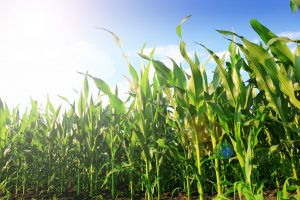
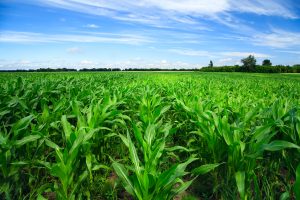
Corn:  Plant population should be above 31,000 plants per acre.

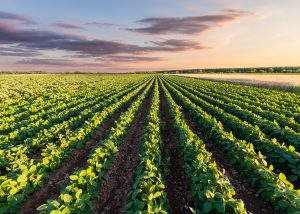
Soybeans:  Plant population should be above 220,000 plants per acre.

Dr. Ron Heiniger’s research work at North Carolina State University concludes that sunlight is critical to high population planted corn and other plants.  Very few people, however, realize it is the amount of shade that causes plants to grow the way they do. The thicker the plant population, the higher the shading is in the canopy of the crop.

One of the things that limit fruit yields on fruit trees is shade.  This is why fruit tree growers have to prune the crop.  It is not to allow in more sun, as much as it is to reduce the amount of shade where auxins flow.  Sunlight tends to neutralize the movement of auxins within any plant.   Bio-Forge also acts as a neutralizing element for maximum growth in high density planting situations. 

Overcoming Problems Of Late-Planted Corn

Friday, August 22nd, 2008

No one could have predicted the roller coaster ride that corn farmers in America’s Heartland are currently experiencing. High commodity prices are offset by skyrocketing fuel and fertilizer costs. Top that off with a dose of chaos from Mother Nature that has littered the Corn Belt with flooded corn crops and these factors combined have left farmers as stressed as their crops.

Many farmers with corn contracts in place are working against the clock to ensure they can meet commitments in a marketplace where USDA has already downgraded crop averages over 15%.

The question growers are asking is how to get the necessary yields with the wet and flooded corn crops farmers in the Corn Belt are currently dealing with.

Late planted corn normally produces less profit for farmers than early planted corn due to various climatic conditions affecting how the corn grows and its vulnerability to these climatic effects.


When any hybrid is planted in warm soil, it tends to grow like the shorter season variety grows. The leaves emerge more quickly than the same variety planted in cold soil. There is less storage of sugars in the corn stalk. It is generally a smaller ear that emerges and develops. This will always limit yield as seen with early maturing varieties that normally have lower yields than later maturing varieties.


The late planted corn has more of an opportunity to grow through the season

where stress can affect the yields more significantly than earlier planted corn.


The later planted corn will normally pollinate during the hotter days of the summer. This decreases the viability of the pollen and will limit the number of grains per ear that survive after pollination.


The plants will have greater exposure to the damage from early frost. The early frost will reduce the number of days for grain filling and affect grain dry down.


The later planted corn will be exposed to fewer days of growing weather and it will generally be harvested at a higher moisture. Due to the price of natural gas, the dry down effect and costs will be substantially greater than it would be for earlier planted corn.


Can the negative effects of these various stresses be overcome or managed to improve yields in late-planting situations?


How are growers dealing with corn that was planted late or replanted due to flooding in the Midwest?

Maximum Yield In Higher Corn Populations

Friday, August 22nd, 2008

High corn yields can only be obtained if plant population is increased up to 31,000 plants per acre or higher and every plant has even sized ears.


High population corn plants require more cell division and must keep cells alive longer, increasing root mass, stalk diameter, and leaf size to increase the ear size and the number of kernels per ear.  If the plants grow too rapidly sugar is drawn from the roots and lower parts of the plant up to the top to support the rapid growth. This weakens the cells in the roots, bottom leaves and stalks, causing more lodging and reduced cellular development in the reproductive parts of the plant. 


The key is to keep the roots growing and the nutrients moving to the reproductive parts of the plant. How do growers deal with this issue when higher populations are becoming the norm?